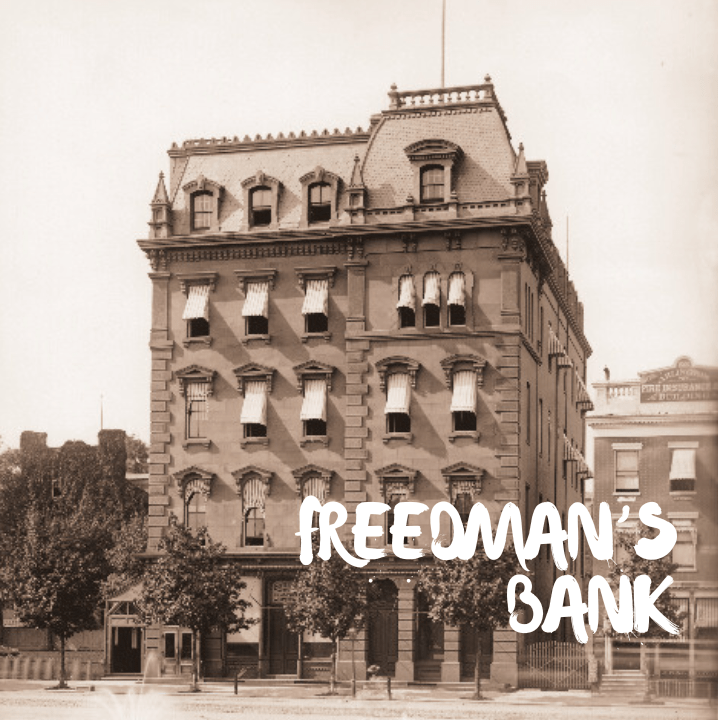
“The story of the Freedman’s Bank is not just a lesson in financial history; it is a case study in how economic capital, without governance rooted in transparent accountability and community ownership, becomes extractive rather than empowering.”
01. A Promise and a Betrayal:
The Collapse of the Freedman’s Bank
In the final months of the Civil War, a new institution opened across the American South: the Freedman’s Savings and Trust Company, more widely known as the Freedman’s Bank. Created to support newly emancipated Black Americans in their transition to freedom, the bank offered a promise: a safe place to build financial stability in a world where so much had been stolen. Thousands responded. Former soldiers, families, laborers, and churches brought their savings—small amounts, often scraped together from survival wages—and entrusted them to an institution endorsed by both the U.S. government and prominent Black leaders like Frederick Douglass.
Over its nine-year run, the bank handled nearly $57 million in deposits from more than 67,000 people. By 1874, its headquarters stood proudly across from the White House, and its growing number of branches carried symbolic weight far beyond finance. For many, this was the first tangible representation of economic citizenship.
But under the surface, the structure was flawed from the beginning. The bank’s board—largely composed of white power brokers and politically connected financiers—pressed for the loosening of its original restrictions on safe investments. When Congress amended the charter in 1870, the bank was no longer required to invest solely in U.S. Treasury bonds, which had previously provided the lowest-risk financial safeguard. Soon after, depositor funds were diverted into high-risk ventures and speculative real estate, including unsecured loans to white-owned businesses. These credit opportunities were rarely, if ever, extended to Black entrepreneurs.
The final blow came with the nationwide financial Panic of 1873. The crisis triggered widespread bank runs, but the Freedman’s Bank was uniquely unable to withstand the shock, having gambled away its secure capital on the board’s speculative ventures. In the final hour, Frederick Douglass was asked to assume leadership. Unaware of the full extent of the financial devastation, he accepted the presidency and invested $10,000 of his own money in a last effort to restore credibility. But when he opened the books, the picture was clear: the institution had already failed. Douglass later described it as being “married to a corpse,” a harsh metaphor that captured the emotional weight of being recruited into an impossible situation.
That same year, the bank collapsed. Lines formed outside shuttered branches. Many depositors never received restitution. When the bank collapsed, the roughly $3 million on its books was lost, and of that, only about 40% was eventually repaid…—after years of delay and bureaucratic process. These were not abstract numbers. These were family savings, military pensions, land purchase funds, and economic futures—erased.
This collapse was not simply a business failure. It was a structural betrayal. The Freedman’s Bank represented more than dollars: it represented hope in the legitimacy of public systems. When it fell, the effects rippled through generations, feeding a justified mistrust of financial institutions that many Black families still carry today.
The loss didn’t come from a single bad actor, nor a market downturn alone. It came from a system design that placed symbolic trust in Black communities while withholding institutional control from them. The story of the Freedman’s Bank is not just a lesson in financial history—it is a case study in how economic capital, without governance rooted in accountability and community ownership, becomes extractive rather than empowering.
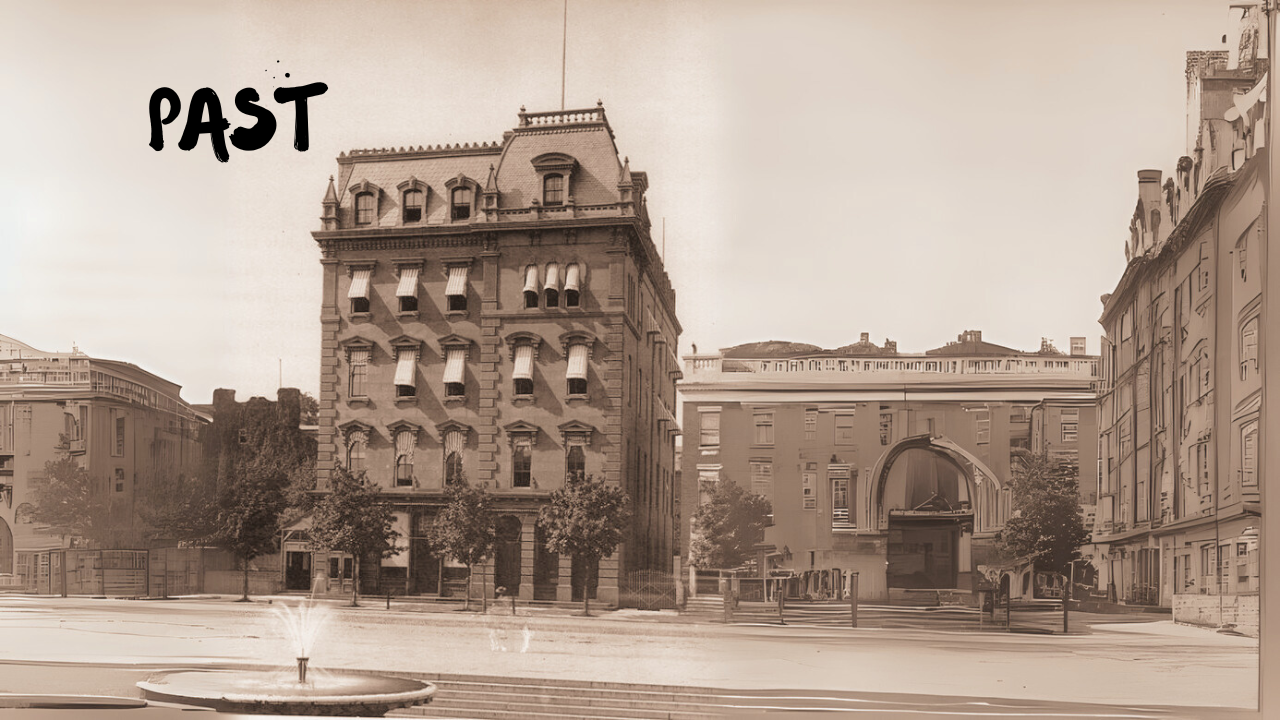
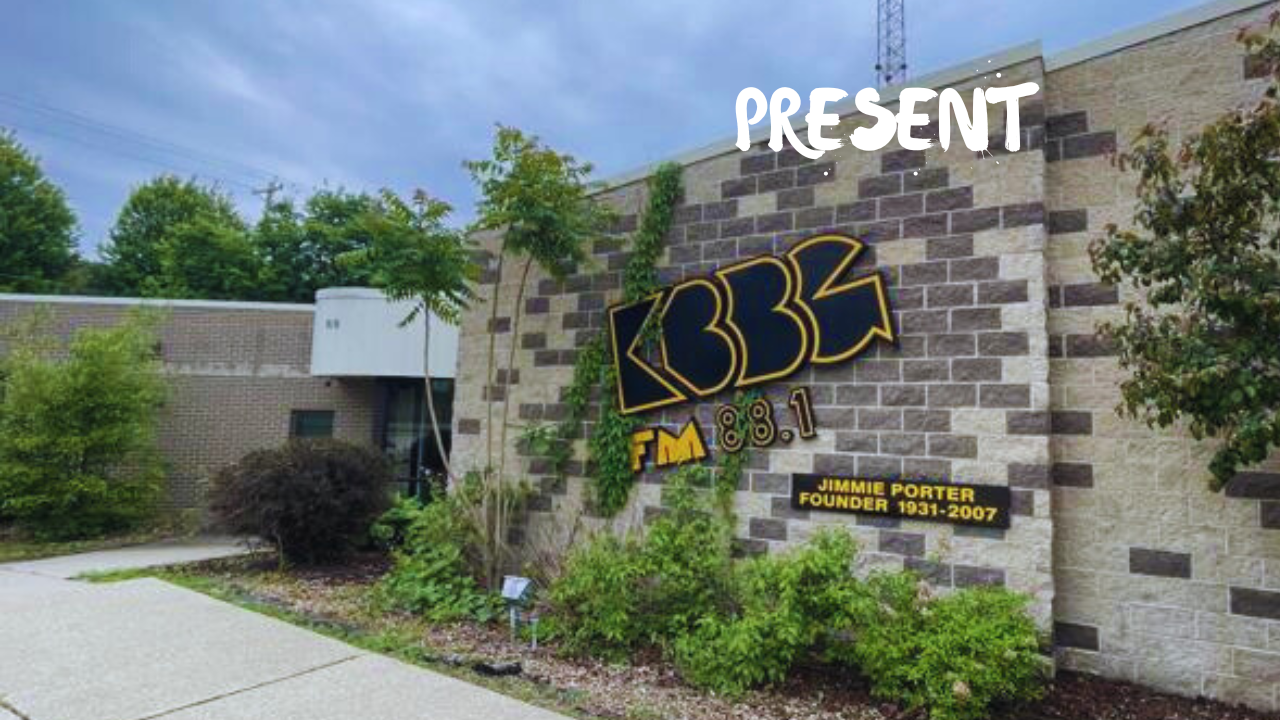
🗝️ Qii Takeaway: Economic Capital Pattern
This Moment of Truth exposes a recurring pattern: when marginalized communities invest in institutions not built with shared governance, even the most promising ventures can become instruments of harm. The Freedman’s Bank collapse wasn’t just a setback. It was an erasure event that severed generations from the kind of economic resilience that compounds over time.
To honor the memory of the depositors is to tell the full truth: their loss was not the result of bad luck, but of systemic mismanagement shaped by uneven power. If economic capital is to be trusted, it must come with shared oversight, transparent design, and redress when harm occurs.
Photo Credit: Freedman’s Bank, US Library of Congress
© 2025 Institute for Quantum Innovation & Impact (The Qii). Licensed under CC BY-NC-ND 4.0.
Originally catalyzed by philanthropic seed funding and now stewarded by the innovators whose stories appear here, with support from a growing network of researchers, educators, system architects, and community investors.

