02. The Frequency We Cannot Lose
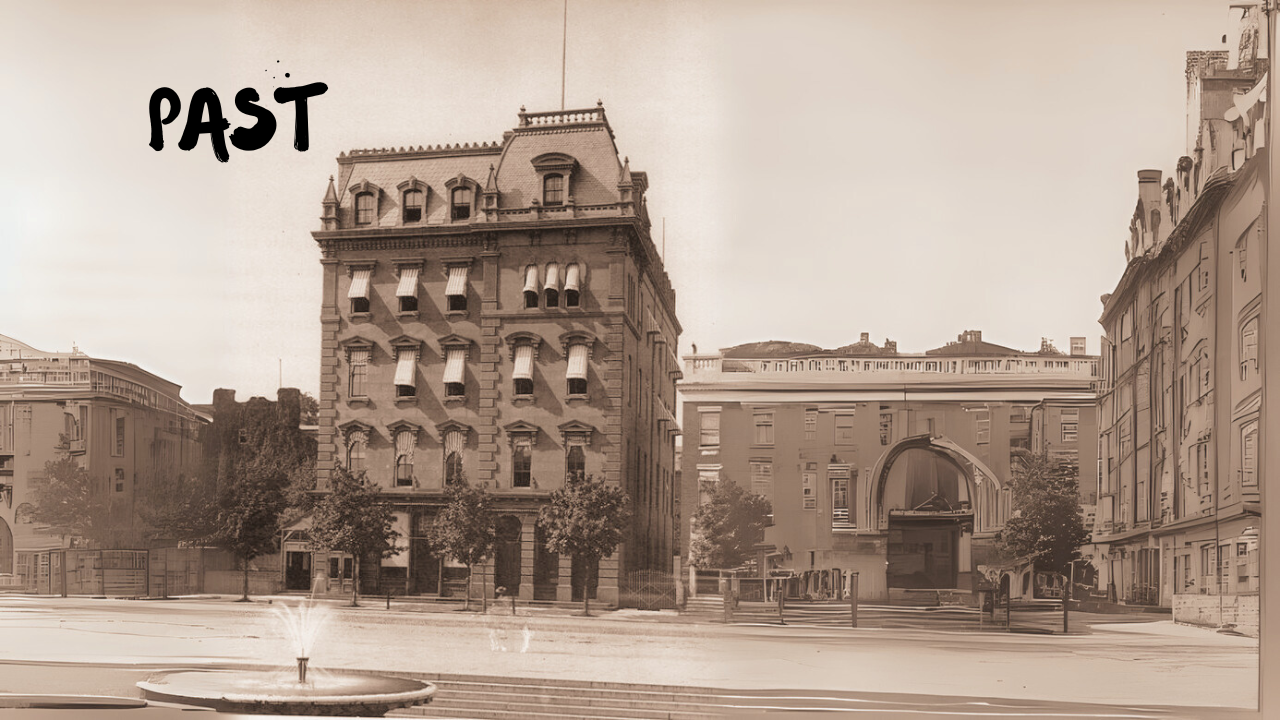
Editor's Note: This story was published in 2025. KBBG's building situation has since been decided in court, and the station's longtime home is changing hands. An updated account, including how the community can help preserve the station's almost 50-year archive, is forthcoming with Derrick's input. In the meantime, here is the Jimmie Porter Oral History Interview (Aug. 8, 1995) from the Archives of Iowa Broadcasting. It was conducted while the KBBG Newell street building was being constructed.
“When a voice like KBBG is silenced, generations lose their history.”
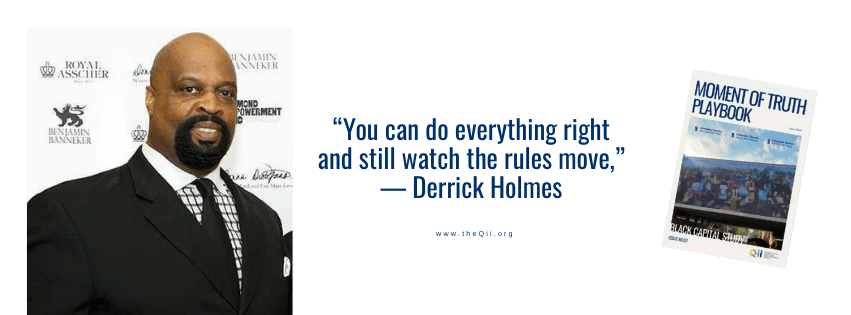
That conviction has guided Derrick Holmes since he first tuned his teenage radio to 88.1 FM in Waterloo, Iowa. Two decades later, the serial entrepreneur who built the Benjamin Banneker Watch & Clock Co. —a luxury brand of watches that honors the Black genius who crafted America’s first wooden clock—found himself fighting to keep another time-keeper alive: the station that chronicles Black Iowa, minute-by-minute.
In early 2024, Derrick Holmes stepped in, believing one manageable loan stood between KBBG radio station and stability. Instead, in the year that followed, he publicly shared a series of surprise unboxings as court filings on hidden liens, a surprise lawsuit, and a financial shuffle that handed a debt-collector the power to foreclose despite every payment he’d made on time. “You can do everything right and still watch the rules move,” he says.
Yet the same resilience that turned exotic-wood watches into a 300% growth company now fuels a new mission: to digitize a 45-year archive, train the next generation of broadcasters, and prove that Waterloo’s Black frequency is as indispensable as the ticking legacy of Benjamin Banneker.
This is Derrick Holmes’ Moment of Truth.
1 | What moment changed everything for you?
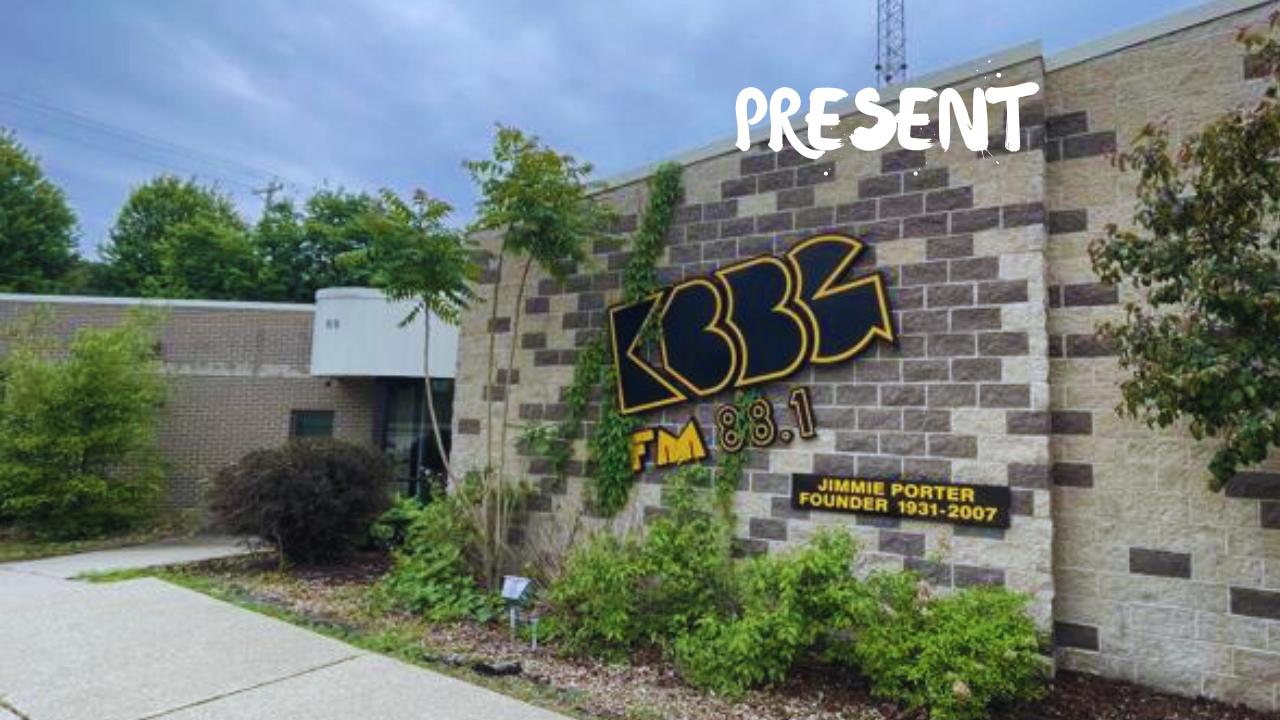
“I grew up in Waterloo, Iowa, surrounded by the rich but often untold history of Black life in this community. So when I learned that KBBG-FM 88.1—our city’s first and only Black-owned and led radio station—was on the brink of foreclosure, my heart sank.”
KBBG stands for “The King of the Big Black Giant,” but to Derrick, it stood for something even bigger: the soul of a people who have made this corner of Iowa home against all odds. He couldn’t just stand by and let Iowa’s first Black-owned public radio station shut its doors. Not on his watch. So in early 2024, Derrick stepped in — both feet, all in — using his own money, his own time, and every resource he could muster to save it.
“This wasn’t just a business problem. It was the potential erasure of a voice that had carried our stories, our struggles, our joys, and our music for generations.”
2 | What system or obstacle were you up against?
“I didn’t know that I wasn’t just saving a radio station—I was walking straight into a fight.”
When he took over, he knew there was debt to deal with. One loan. Manageable. That’s what he was told. But hidden behind the paperwork was a second loan—one he knew nothing about.
Without his awareness, he explains, the bank sold that lien to a debt-buyer that turned around and sued the station. Even worse, the first lienholder also quietly sold its fully current note to the same collector, handing them legal power to foreclose.
“By the time I found out, the court had already given them a judgment against us. Even when you make every payment, answer every call, meet every deadline, the rules can shift beneath your feet.”
The fight was no longer bookkeeping; it was a lesson in modern redlining—opaque transactions that can erase Black culture overnight.
3 | What did you try, even if it wasn’t perfect?
“I hired an attorney to fight, to make sense of the mess, to stop the foreclosure, and to preserve this treasure of Black history. But the deeper I went, the clearer it became: this wasn’t just about paperwork or bad communication.”
Even though the station wasn’t yet generating enough income, Derrick explained that he kept their payments current with his own personal funds while seeking refinancing. He also leveraged his national business network and local media to spotlight KBBG’s role as “the heartbeat of Waterloo’s Black community.”
None of it fully stopped the legal machinery, but it bought time and galvanized supporters.
4 | What helped you keep going?
Derrick already knew how to build legacy products—his watches honor Benjamin Banneker, the Black inventor of America’s first wooden clock (1753). That same mindset inspired him to use KBBG to carry voices the way Banneker’s clock carried time—accurate, public, impossible to ignore.
He draws strength from:
– Heritage duty—preserving a 45-year archive of local Black news and music.
– Community elders—listeners who still recall the station’s founding civil-rights broadcasts.
– Faith in next-gen media—a plan to digitize archives and train youth in broadcasting once the debt is cleared.
5 | What truth do you want people to remember from this story?
Derrick wants funders, regulators, and neighbors to see that financial opacity can kill cultural infrastructure as surely as a wrecking ball. Transparency, fair lending, and community equity are the true guardians of local heritage.
“I believe this station can tell our story in a way no other institution can. I believe it can carry the truth of Black history, not filtered, for generations to come. I want them to see something bigger than this battle. I see a future where KBBG isn’t just a radio station, but a hub of Black culture, history, education, and empowerment, reaching not just Waterloo but the world. “
This is the living memory of a people refusing to be erased.
Saving a building isn’t the point—saving a people’s frequency is.
© 2025 Institute for Quantum Innovation & Impact (The Qii). Licensed under CC BY-NC-ND 4.0.
Originally catalyzed by philanthropic seed funding and now stewarded by the innovators whose stories appear here, with support from a growing network of researchers, educators, system architects, and community investors.

