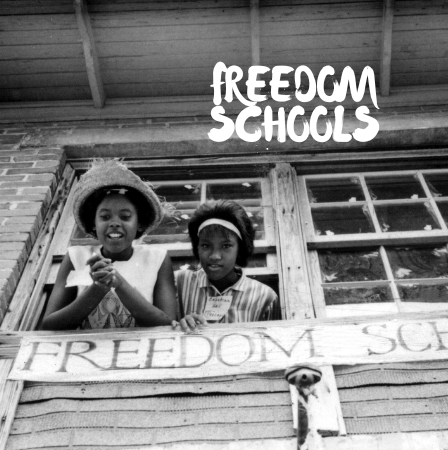
“It was dangerous. Organizers and volunteers faced constant surveillance and harassment. Parents watched with a mix of pride and worry. But the message was clear: even in danger, the dignity of education could not wait.”
Freedom Schools: Healing Literacy in a Season of Risk
In the summer of 1964, across the segregated South, classrooms opened in church basements, living rooms, and community centers. These were not ordinary schools. They were built for a moment of extraordinary courage, and the students who walked in carried more than notebooks. They carried generations of exclusion, unanswered questions, and the simple hope of being seen and heard.
The Freedom Schools were born from Freedom Summer, a civil rights campaign that brought over 1,000 volunteers, many of them college students, into Mississippi to support Black voter registration and educational equity. Their purpose was both urgent and revolutionary: to teach what public schools had systematically denied—where textbooks erased contributions and civics classes ignored voting rights, and the tools to speak truth with power1.
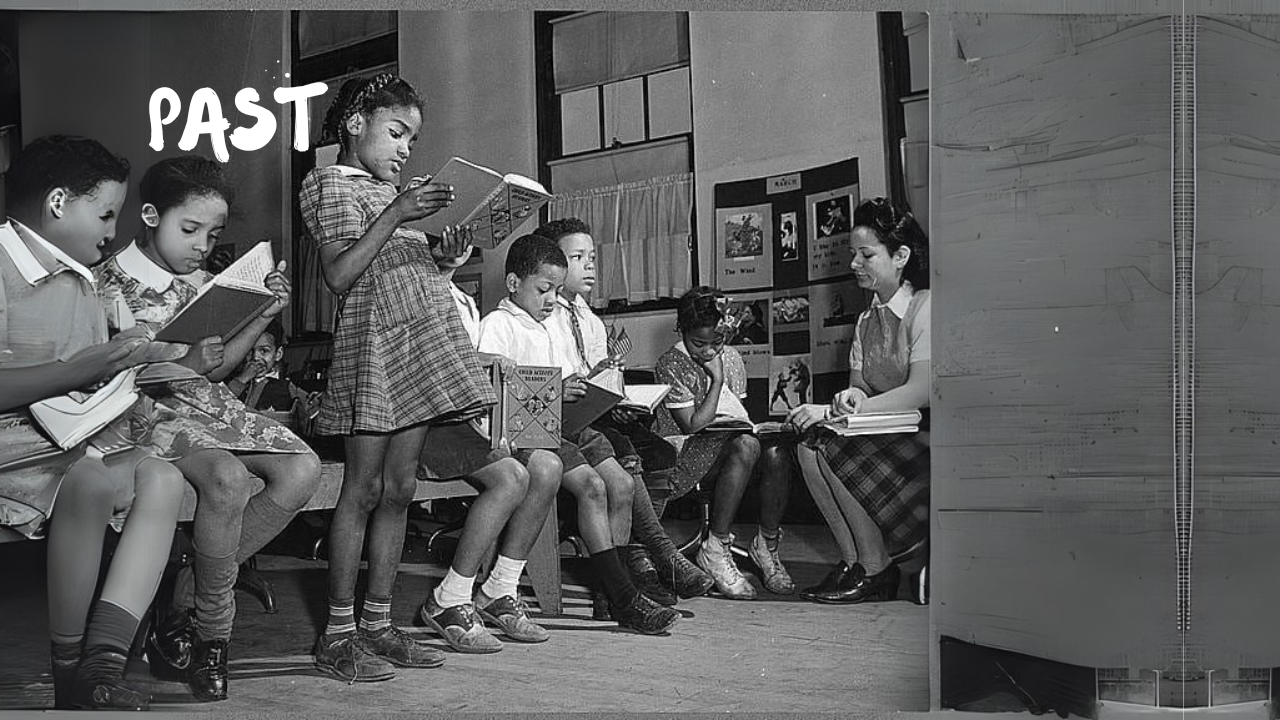
The curriculum was unlike anything in state-approved textbooks. Students read poems by Langston Hughes, discussed the ethics of protest, debated the Constitution, and wrote their own reflections on race, justice, and hope 2. They were not told what to believe. They were invited to explore what had been missing from the American story—and their own.
While many came for reading and writing, something deeper happened. These classrooms became places of emotional repair—spaces where grief, anger, and isolation could be named. Teachers, facilitated co-regulation—helping students process emotions together and find stability—before the term had even been coined. Teachers, often only a few years older than the students, facilitated a powerful form of emotional support, helping students process complex emotions and find stability together, long before the term ‘co-regulation’ was coined. The work was healing, not just academic
It was also dangerous. Organizers and volunteers faced constant surveillance and harassment. At least three civil rights workers were murdered during Freedom Summer 3. Still, the schools grew. By August, more than 3,000 students had attended over 40 Freedom Schools4. Parents watched with a mix of pride and worry. But the message was clear: even in danger, the dignity of education could not wait.
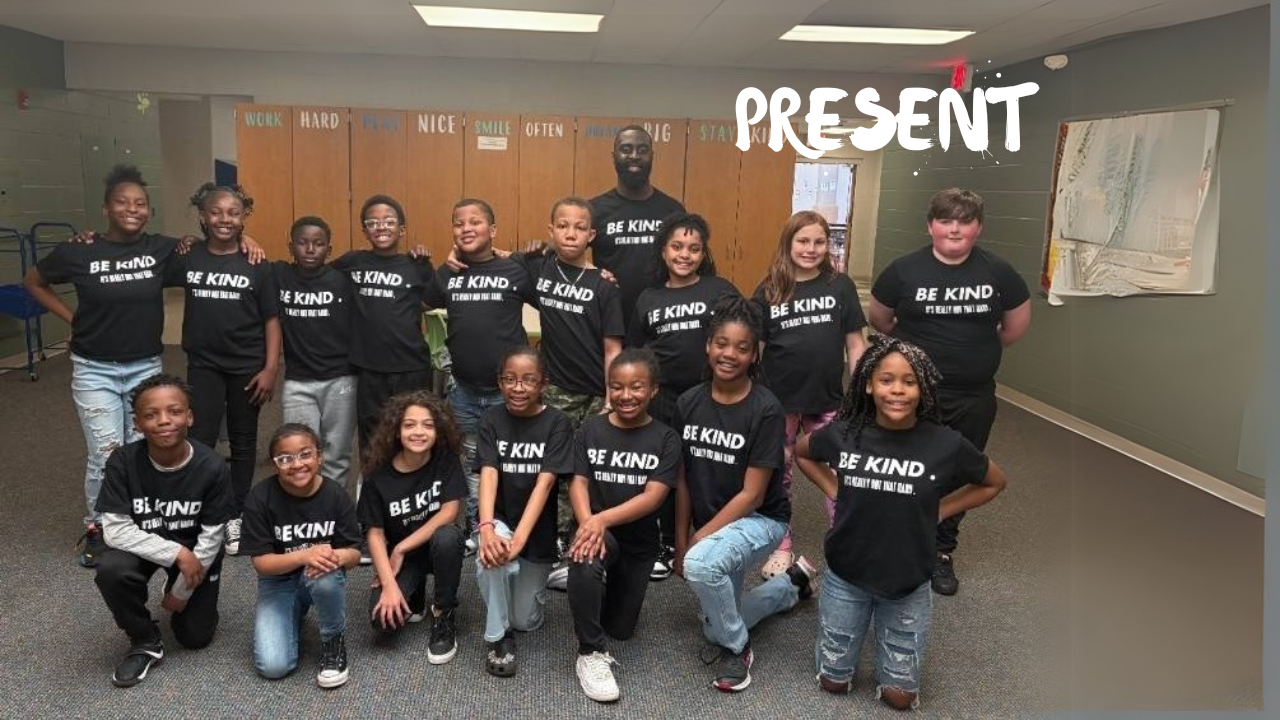
🗝️ Qii Takeaways: Emotional Capital Pattern
The Freedom Schools remind us that emotional capital isn’t a soft asset—it’s a survival resource.
- Healing is intellectual. These schools didn’t just educate—they restored a sense of self eroded by silence and segregation.
- Expression is infrastructure. By validating voice through poetry, discussion, and open inquiry, Freedom Schools gave students not only words but worth.
- Courage is co-regulated. Healing happened in community: student to student, teacher to student, and family to classroom. Emotional strength was not self-made—it was shared.
The Freedom Schools did not end injustice. But they marked something even harder to erase: A generation of young people learning that their minds mattered, their words had power, and their futures could be written by them.
© 2025 Institute for Quantum Innovation & Impact (The Qii). Licensed under CC BY-NC-ND 4.0.
Originally catalyzed by philanthropic seed funding and now stewarded by the innovators whose stories appear here, with support from a growing network of researchers, educators, system architects, and community investors.

