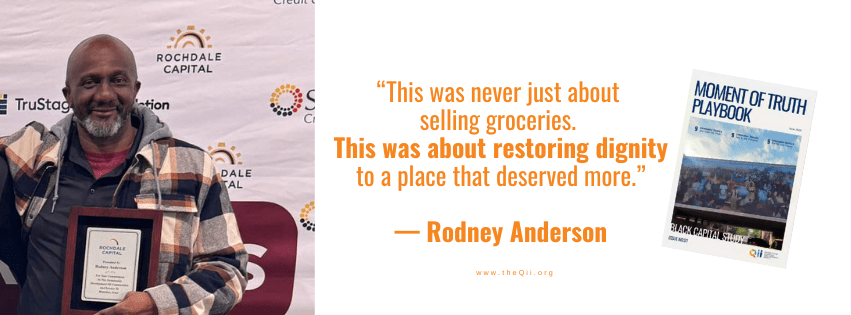
“I grew up on the northeast side of Waterloo, Iowa, in the 1970s and 80s—a community marked by resilience, love, and a deep sense of togetherness. We weren’t lacking. We had corner grocery stores where the clerks knew your name, and neighbors looked out for each other. We had access to fresh food—Ross Jr.’s in the heart of the Black neighborhood, Dick’s Clute’s, Ray’s Super Value. We didn’t have to cross bridges—literal or figurative—to meet our basic needs.”
But as the decades passed, the landscape changed. Rodney Anderson watched as neighborhood stores disappeared, and with them, so did easy access to fresh food. By 2015, what had once been a thriving, self-sustaining community had become a food desert.
“I felt it in my chest—like a nudge from God: Do something.”
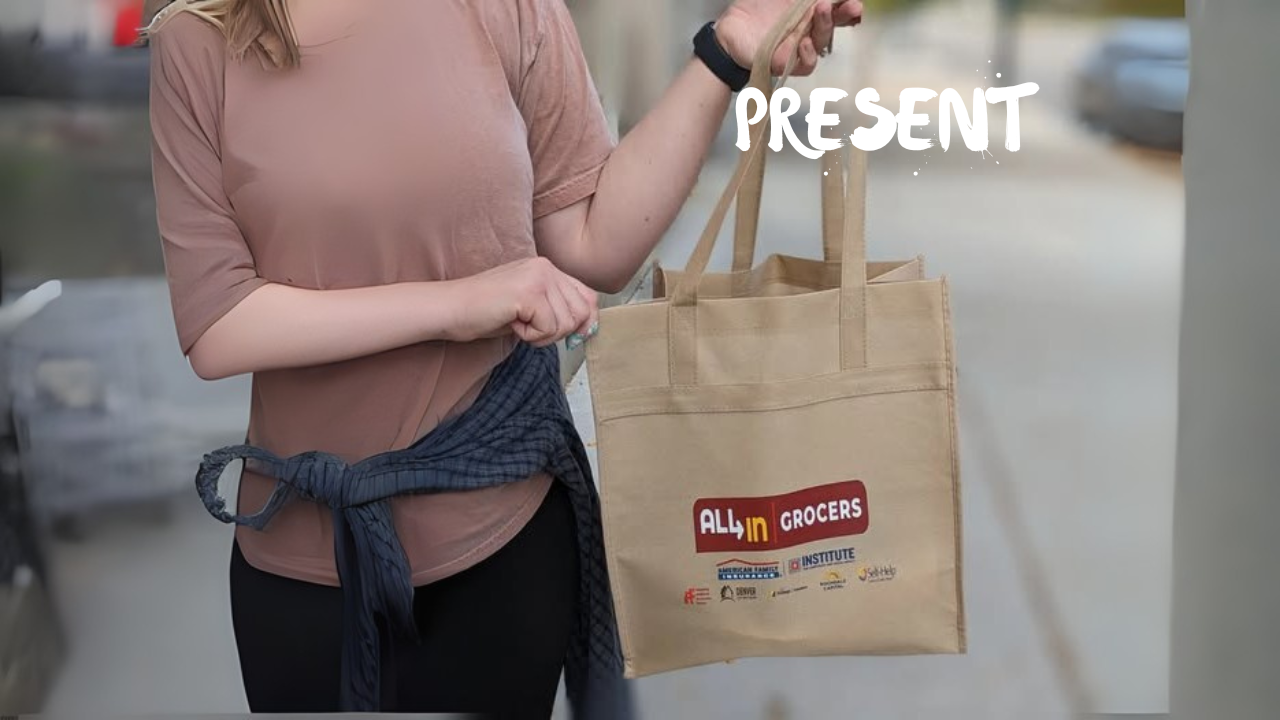
In October 2023, after a seven-year journey marked by perseverance and faith, Rodney Anderson and Lance Dunn erected a brand new All-In Grocers on a dusty parcel in Waterloo’s most challenged neighborhood—the historically redlined Walnut Neighborhood.
A community that had been without a full-service grocery store for over five decades saw the miracle of a 28,000-square-foot facility come to life. It housed a restaurant, laundromat, community center, after-school program, and reentry services.
The grand opening was electric. National press. Hundreds of neighbors. Laughter, hugs, tears of joy. But beneath the celebration, they were already under siege.
This is Rodney Anderson’s Moment of Truth.
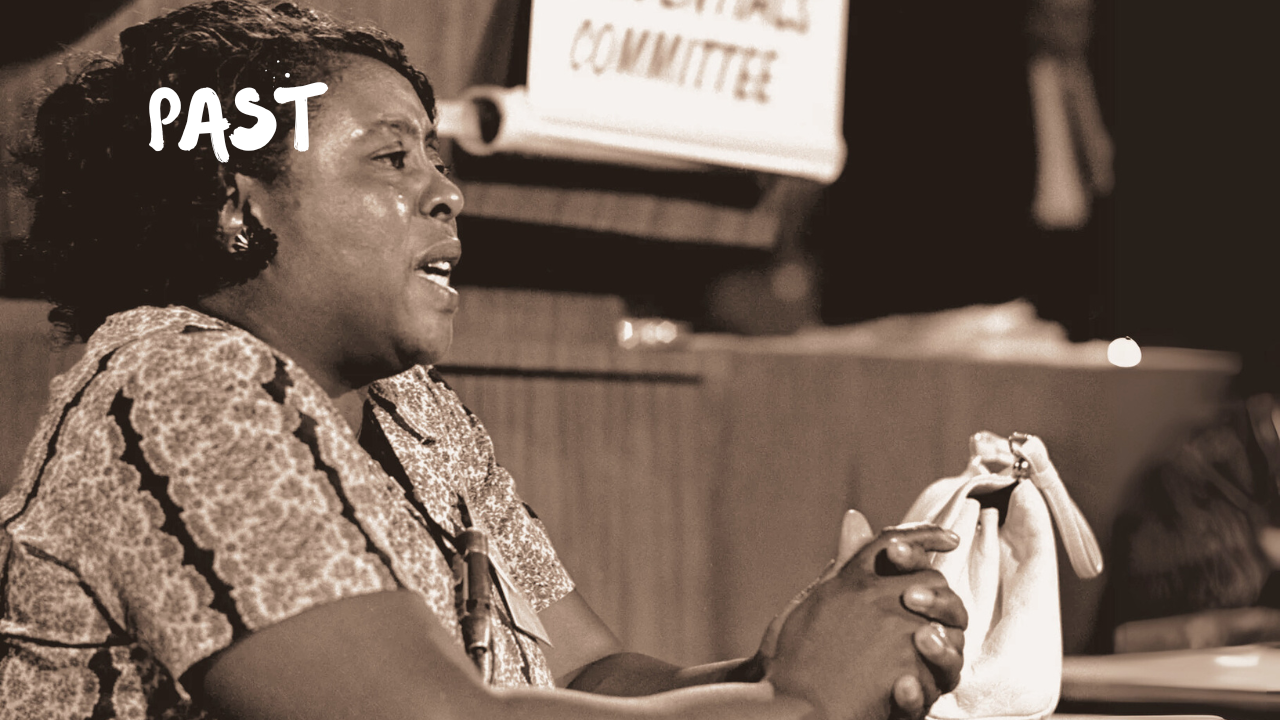
1️ | What moment changed everything for you?
“I poured everything I had—my time, my savings, my heart—into a vision. I wasn’t just building a grocery store. I was rebuilding a lifeline. I wanted it to be more than a store. It would be a beacon of life in a place where too many doors had been closed for too long.”
After over 50 years of systematic deterioration of the Northeast side neighborhood, Rodney was determined to bring back a full-service grocery store.
“This was the dream. To show people you can be All-In on faith and still build real infrastructure.”
2 | What system or obstacle were you up against?
At first, there was hope.
“The City of Waterloo got behind the vision. Six local banks pledged support. But just as we were preparing to close the deal, the ground shifted beneath us. One banker circulated a letter—a redlining letter. One by one, the banks pulled out.”
It was a quiet kind of discrimination, coated in policy, but rooted in fear. Redlining is illegal, but that doesn’t mean it’s gone.
“I was heartbroken, but I couldn’t quit. I looked beyond Iowa, seeking people who believed in the mission, people who saw the dignity in feeding a forgotten neighborhood.”
It took time. It took prayer. But after seven years, Rodney and his team found funders who said yes.
3️ | What did you try, even if it wasn’t perfect?
Before we ever made a sale, our supplier began withdrawing funds from our account—wiping out our financial cushion and leaving us tens of thousands in the red from day one. We held on. My family, along with Lance’s family, invested tremendously. We believed in the store. We believed in our community.” After nine months, Lance and Rodney started paying store bills with their personal funds. This was not sustainable, so after two months, they had to close. This was a tough decision after only 11 months of being open.
“That was the hardest thing I’ve ever done. I cried. I prayed. I asked God why He told me to build it, if it would all fall apart. And then I heard it again—quiet, steady: “I told you to start it. I didn’t tell you to own it.”
4️ | What helped you keep going?
This was never just about selling groceries. This was about restoring dignity, equity, and nourishment—both physical and spiritual—to a place that deserved more. I gave everything I had because I believed they were worth it. And I still do.
This wasn’t a failure. It was a deeply spiritual act of public stewardship. Rodney and Lance never saw this store as theirs. They saw it as a gift to the community.
5️ | What truth do you want people to remember from this story?
“When something sacred enters a system shaped by scarcity, it attracts not only gratitude but grief, envy, and fear.”
The story of All-In Grocers is not over. Even if the lights are off, the vision glows. It serves as a spiritual blueprint for a generation of entrepreneurs who feel called, not just to build, but to heal. The vision glows of opportunity for more than just a grocery store, but also family-structured real estate development located on the Northeast side of Waterloo.
In July of 2025, the team passed the torch to new ownership. The store didn’t reopen immediately, but the building remains—a monument to possibility, still standing. Even in letting go, the founders honored their original calling: the dream was not to own a store, but to seed transformation.
© 2025 Institute for Quantum Innovation & Impact (The Qii). Licensed under CC BY-NC-ND 4.0.
Originally catalyzed by philanthropic seed funding and now stewarded by the innovators whose stories appear here, with support from a growing network of researchers, educators, system architects, and community investors.

